How do you CHOOSE GOOD brake PADS?
Choosing the right pads is a three-step process. First: choose the right pad SHAPE. Second: choose the right pad COMPOUND. Third: choose the BACKING PLATE MATERIAL and the pad’s HEAT CONTROL capability
If you like the content of these videos ⏩⏩⏩ RIDE with us on YOUTUBE ⏪⏪⏪
Choosing the right pad shape
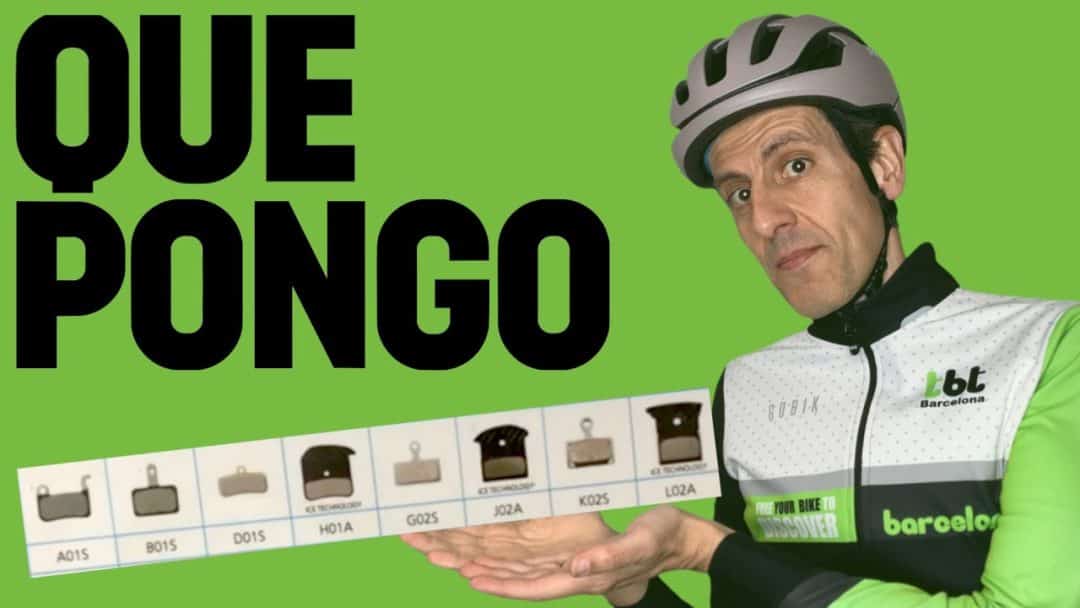
The pad shape is determined by the brand, the caliper and the number of pistons. Shimano, for example, divides the pads in its catalogue into types A, B, etc. according to their shape. Some calipers use bottom-loading pads and others top-loading. Most calipers use two pistons, but brakes designed for downhill bikes or heavier electric mountain bikes use a four-piston design, two on each side of the caliper, so they need a larger pad surface, and the disc will also be larger in diameter. These two things, the loading type and the number of pistons, are what determine the pad shape.
Choosing the right pad compound
The second step is choosing the best compound for each type of bike. The two most common types are metallic and organic, also called resin. There are also ceramic pads, but they’re less common because of their high cost. Your choice will depend on your needs and riding habits. Organic pad compounds are resin-based, softer and less abrasive. This gives excellent braking power, although when new they need a longer bedding-in period to reach optimal performance. Their biggest disadvantage is that they wear faster, especially in bad weather with water and mud. Resin pads are ideal for many cyclists because they give smooth, quiet braking, but only choose them when heat and rain aren’t an issue. Metallic pads are made of different metal particles, including copper, bronze and iron, bonded together with heat and pressure. They wear very slowly but wear the disc quickly, and they tend to be noisier. Metal pads are the best choice for riding in mud and water, as they last longer in rain and dirt and also give more bite than resin pads. Metal is more resistant to fade at high speeds and high braking temperatures, so choose these pads to keep your braking power on long descents or in bad weather.

Bear in mind that some discs are only compatible with resin pads. If you want to switch from resin to metallic, check what type of disc you have first; if the disc isn’t suitable for metal pads, you’ll need to replace the disc too.
Choosing the BACKING PLATE MATERIAL and HEAT CONTROL capability
Finally, consider heat control. Excessive heat is the worst enemy of any braking system: friction produces heat, and if it becomes excessive it can cause total brake failure or excessive pad wear. That’s why Shimano has its full range of Ice Technologies pads with radiators that dissipate heat and stop it getting into the system. These pads also have aluminium backing plates, so heat dissipates quickly. The faster you go, the better the cooling, and on the road you can reach high speeds and keep the brakes on during long descents, so it’s important to maximise heat control with finned or radiator pads. As well as steel, Shimano offers pads with different backing plate materials, such as aluminium and titanium. Choose steel-backed pads for general use at a more affordable price, aluminium when weight matters more while keeping the price down, and titanium for low weight and better heat protection than steel, but at a higher price. Pads are porous, so always avoid contaminating them: don’t use oils or other unsuitable products on the discs or pads. Always clean them with isopropyl alcohol-based products.
If you liked this article and its video, we have a video on our channel where we ANSWER more than 10 QUESTIONS about DISC BRAKES
WE INVITE YOU TO WATCH IT
YOU MIGHT ALSO BE INTERESTED IN:
——–
WANT HELP FROM THE BEST MECHANICS?
Our WORKSHOP is a SHIMANO SERVICE CENTER in the centre of BARCELONA. How can we help you?
What’s the DIFFERENCE between HYDRAULIC and MECHANICAL BRAKES?
[/vc_column_text][/vc_column][vc_column width=”1/3″][vc_single_image image=”18787″ img_size=”large” alignment=”center” style=”vc_box_rounded” onclick=”custom_link” link=”https://www.terrabiketours.com/es/tipo-aceite-discos-shimano-bicicleta/%22][vc_column_text]
[/vc_column_text][/vc_column][vc_column width=”1/3″][vc_single_image image=”18783″ img_size=”large” alignment=”center” style=”vc_box_rounded” onclick=”custom_link” link=”https://www.terrabiketours.com/es/como-funciona-el-freno-de-disco-de-una-bicicleta/%22][vc_column_text]
HOW DOES A BIKE DISC BRAKE WORK?
[/vc_column_text][/vc_column][/vc_row]
Rather have us take a look? At our bike workshop in Barcelona, a Shimano Service Center, we check your brakes, replace pads and rotors and get your braking spot on. Drop by the shop (Carrer València 337) or get in touch.